







Phoenix Canariensis – Canary Island Date Palm
Original price was: $19.99.$13.99Current price is: $13.99.
- Reliable Payments for Reliable Shopping
- Made of environmentally friendly materials
- Sustainable materials, for a better tomorrow.
- Worry-Free Shopping with Safe Payments

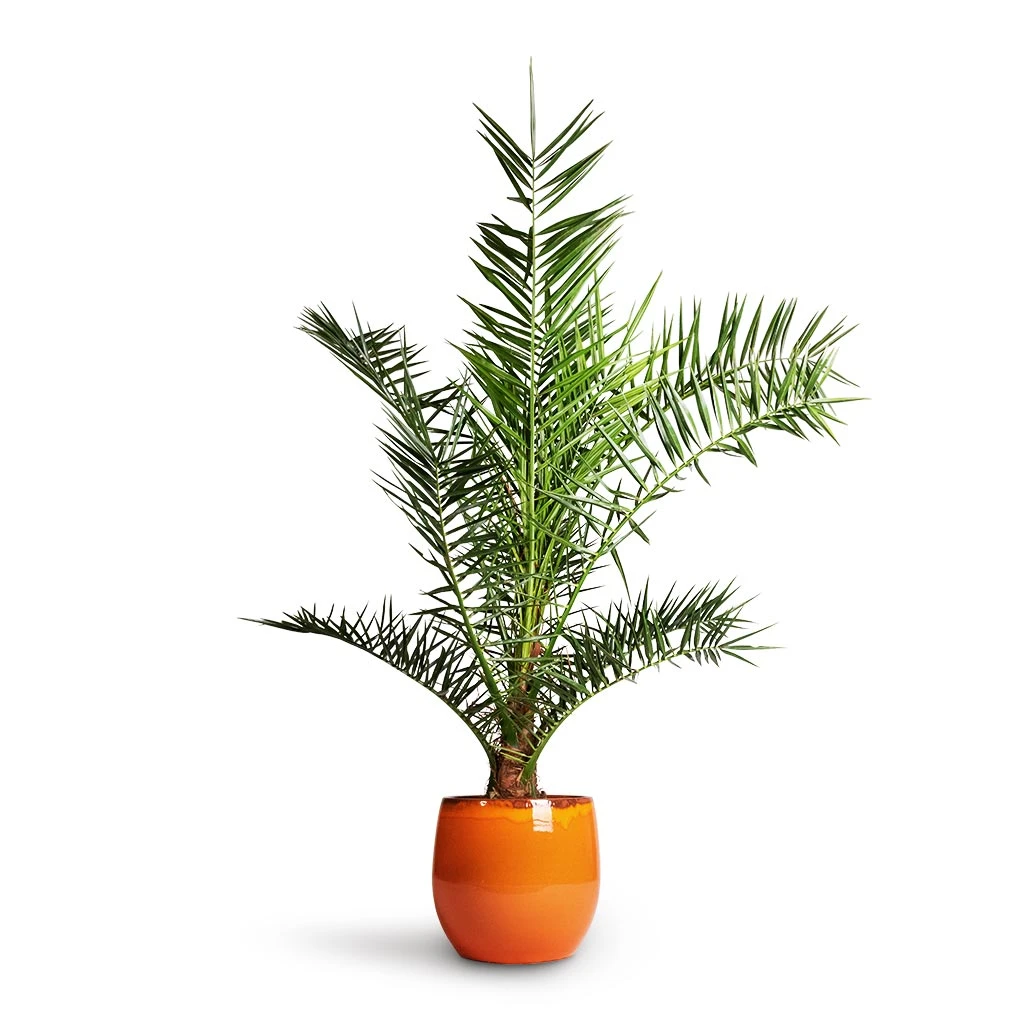
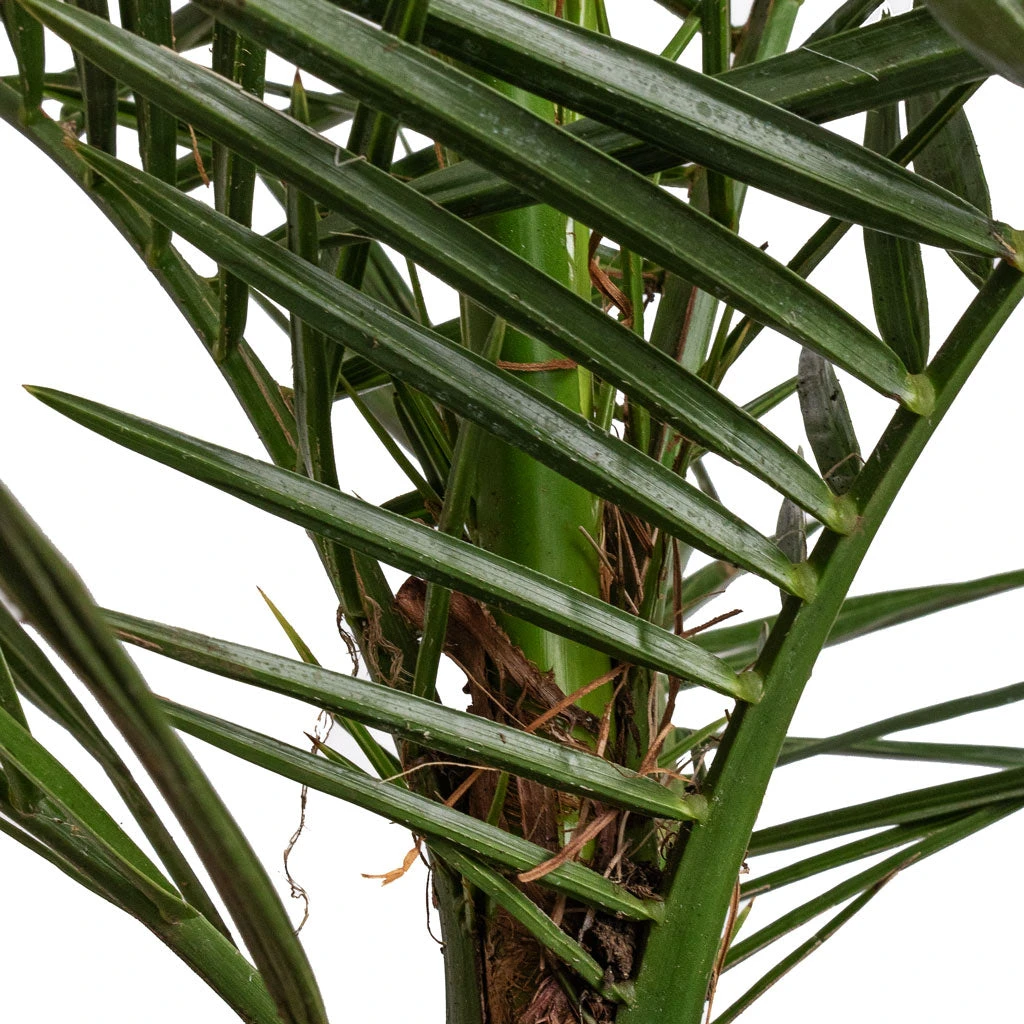
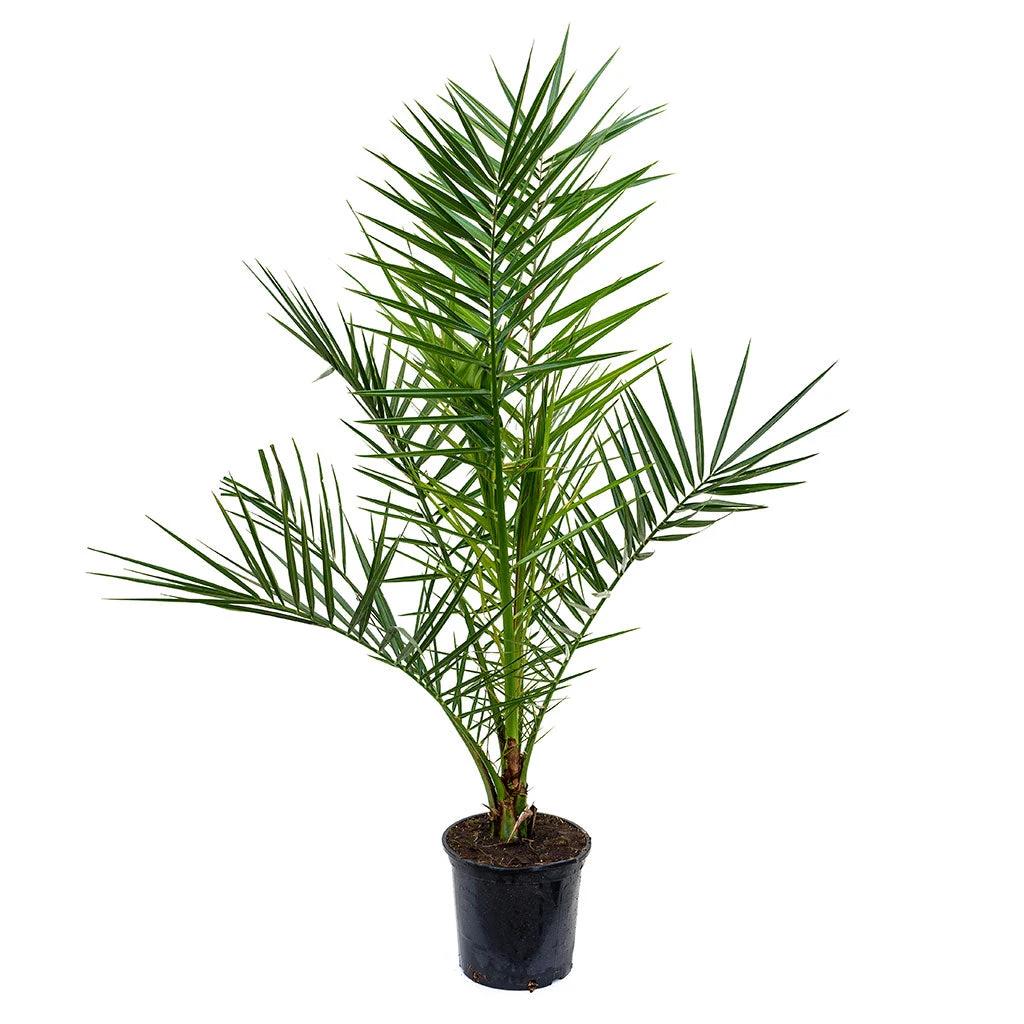
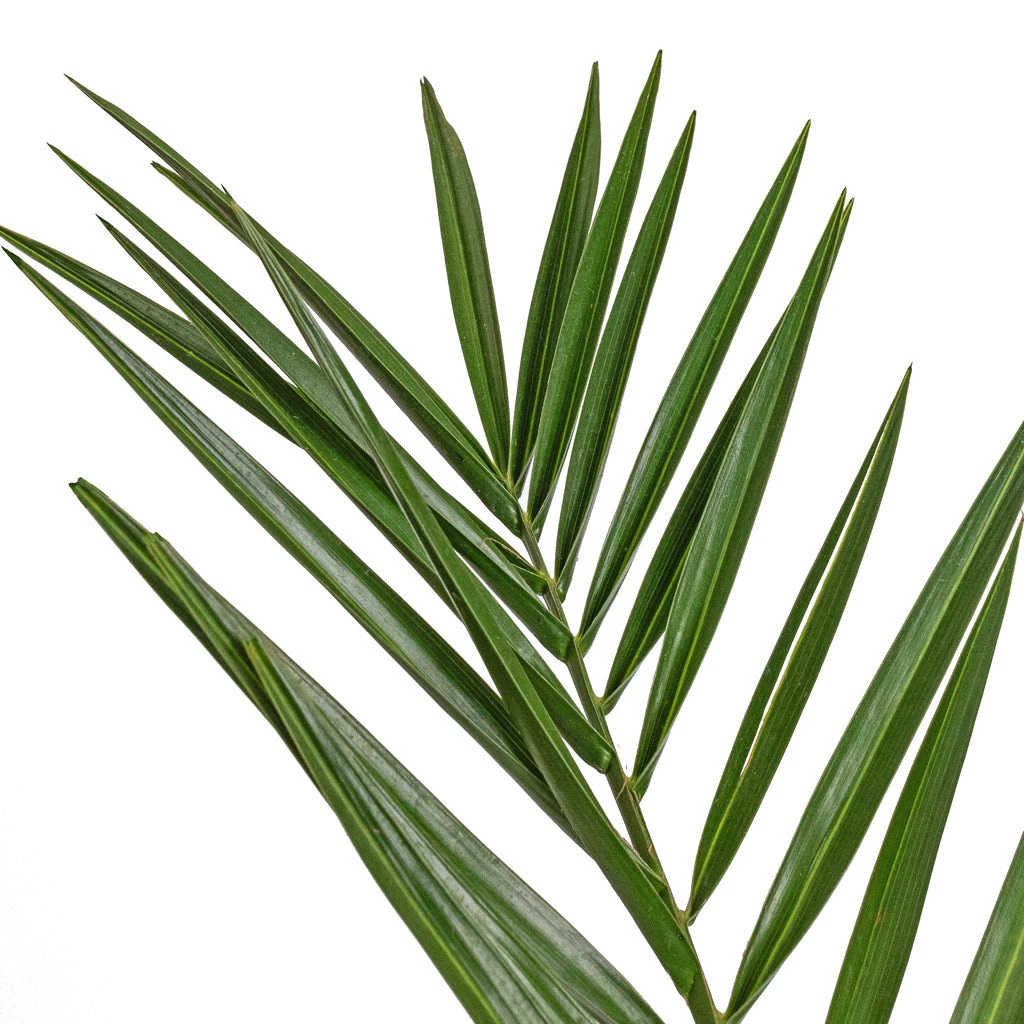
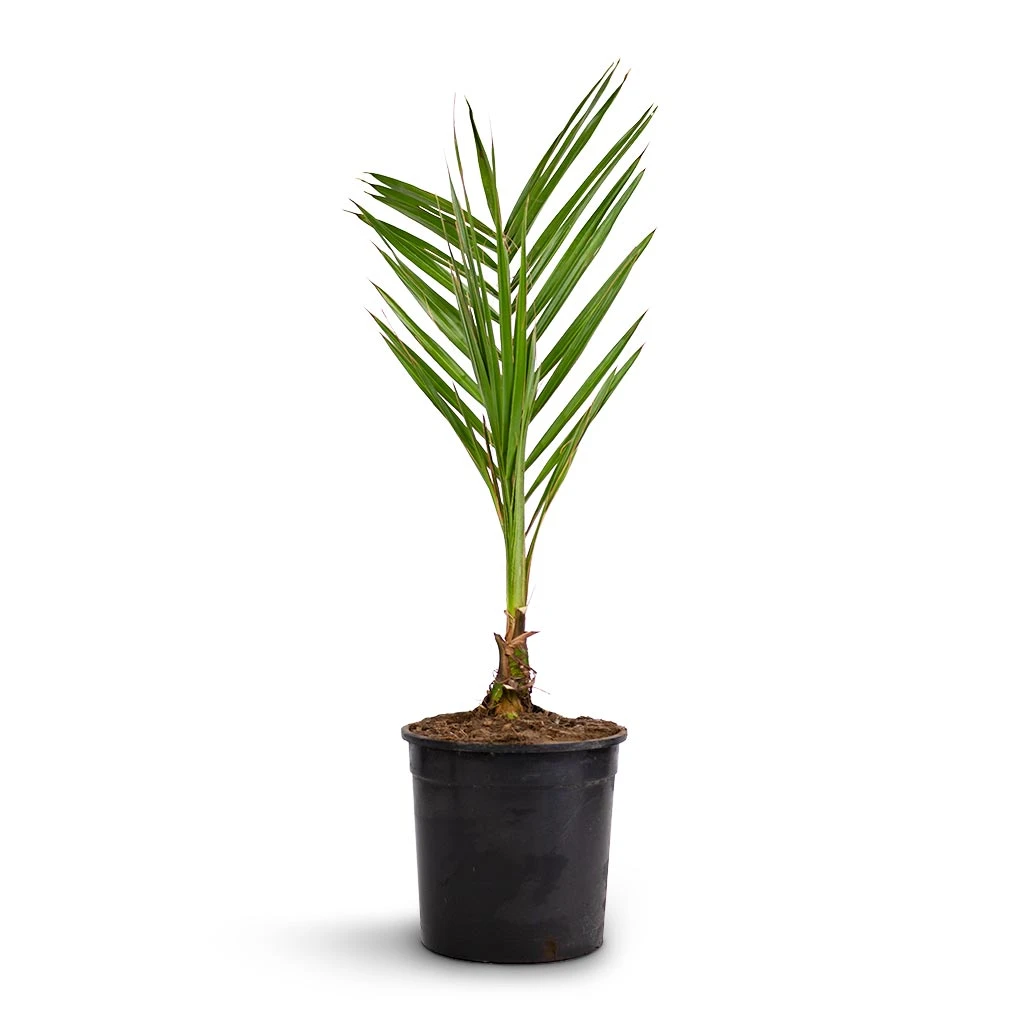
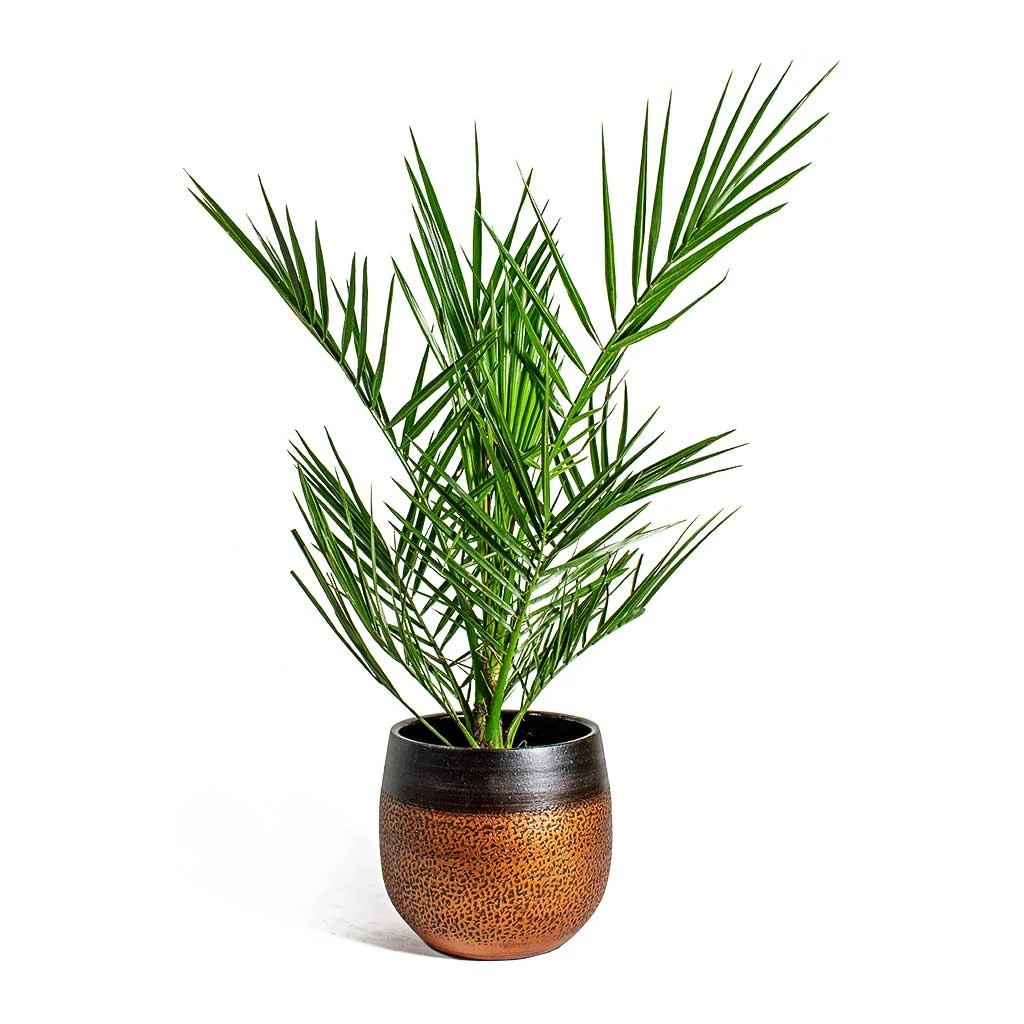
Phoenix canariensis is an exotic, feather type palm, with a stout trunk and straight, narrow, spiky leaves that grow upwards from a single crown, spreading and arching into elegant fan shapes. It is also known as Slender Date Palm.
With their architectural and tropical profile, Canary Island Date Palms add dramatic impact wherever you put them, from the corner of a room to a pot on an outdoor terrace.
Phoenix canariensis – Canary Island Date Palm Care & Info Guide
Horty Hints
Spending time at the summer house! This palm is very hardy and can withstand low and high temperatures. Consider moving the plant outside during warm summer days, but allow to acclimatise and build up slowly.
Lower leaves die off as the plant matures and new leaves are produced. Remove these (carefully as they are sharp) once the stem has dropped below horizontal to encourage the trunk to develop.
Feeling hot, hot, hot! The Canary Island Date Palm is one of the palms that can handle some direct sunlight sun. Providing early morning and late afternoon sunlight will increase growth rate.

Light
Phoenix canariensis prefers bright, indirect light but is quite happy in partial shade. Some morning or evening sun may be beneficial for the palm. Avoid harsh, direct midday sun.

Watering
Water when the soil is starting to become slightly dry at the top. Keep continuously moist during the summer but be sure not to overwater. In the cooler months water more sparingly.

Temperature
This palm can tolerate a wide range of temperatures: anything from -5 to 37°C. During winter, a cooler location (ideally 10 – 13°C) is beneficial. Keep away from draughts and radiators.

Humidity
The Canary Island Date Palm thrives in normal home humidity, although for an added boost, mist from time-to-time in the warmer months.

Feed
Feed occasionally at half-strength during the warmer months. Do not feed during the winter.

Height & Growth Rate
The Phoenix canariensis is slow-growing and typically rises to a height of approximately 2m. Can reach much higher in their native environment.

Toxicity
This plant is not known to be toxic to animals, however, the spines can be very sharp so take care whilst handling and keep away from pets and children.

Air Purifying
Palms clean and improve air quality by filtering formaldehyde, benzene and carbon monoxide toxins from the surrounding environment.

Origin
Phoenix canariensis is native to the Canary Islands.
| SIZE: Pot Diameter x Total Height | 14 x 60cm, 19 x 100cm, 21 x 110cm |
|---|
Be the first to review “Phoenix Canariensis – Canary Island Date Palm”
Related products
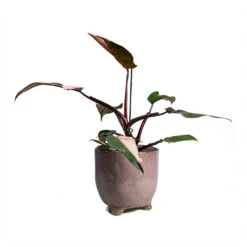
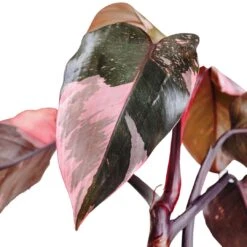
HOUSEPLANT STYLES
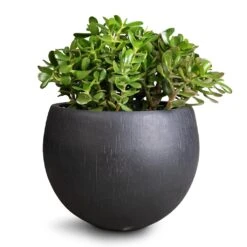
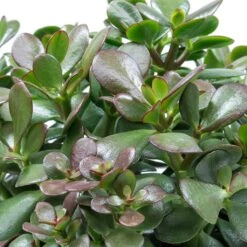
HOUSEPLANT STYLES
HOUSEPLANT STYLES
HOUSEPLANT STYLES

HOUSEPLANT STYLES

HOUSEPLANT STYLES
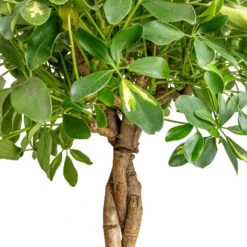
Schefflera Arboricola Gold Capella – Dwarf Umbrella Tree – Twisted Stem

HOUSEPLANT STYLES
HOUSEPLANT STYLES
Reviews
There are no reviews yet.