






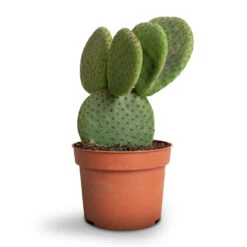

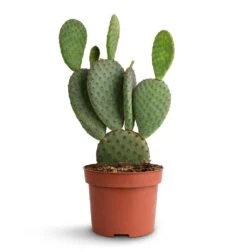

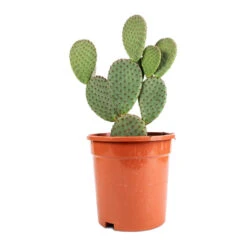

Opuntia Microdasys – Bunny Ear Cactus
Original price was: $15.95.$11.17Current price is: $11.17.
- Reliable Payments for Reliable Shopping
- Made of environmentally friendly materials
- Sustainable materials, for a better tomorrow.
- Worry-Free Shopping with Safe Payments

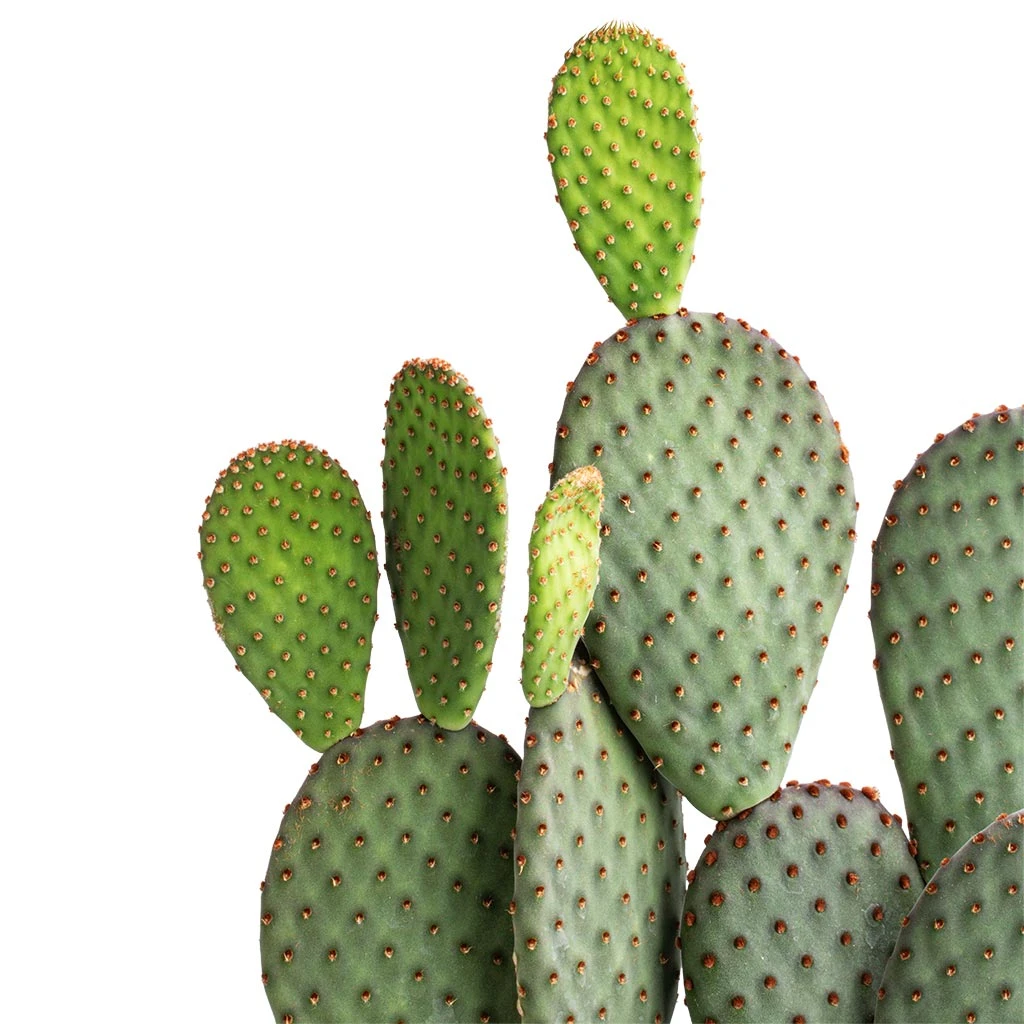
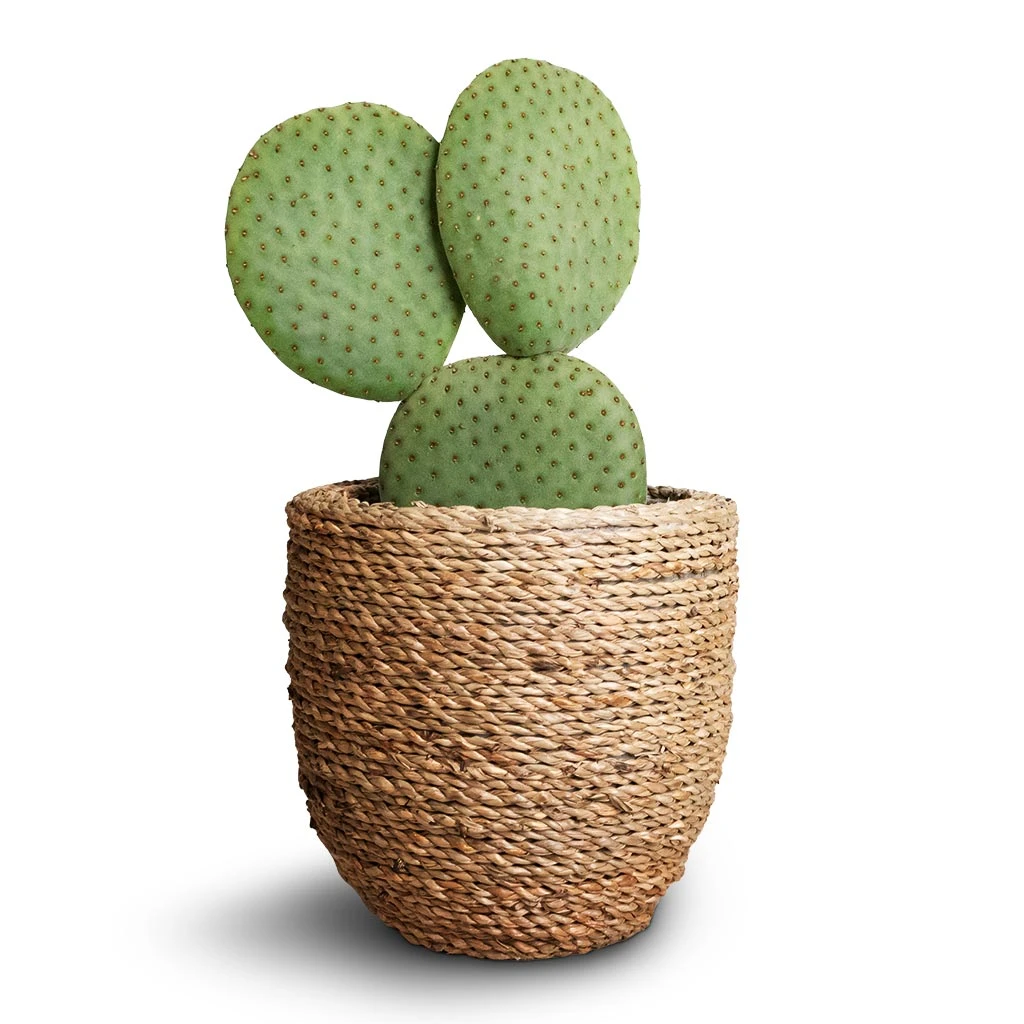
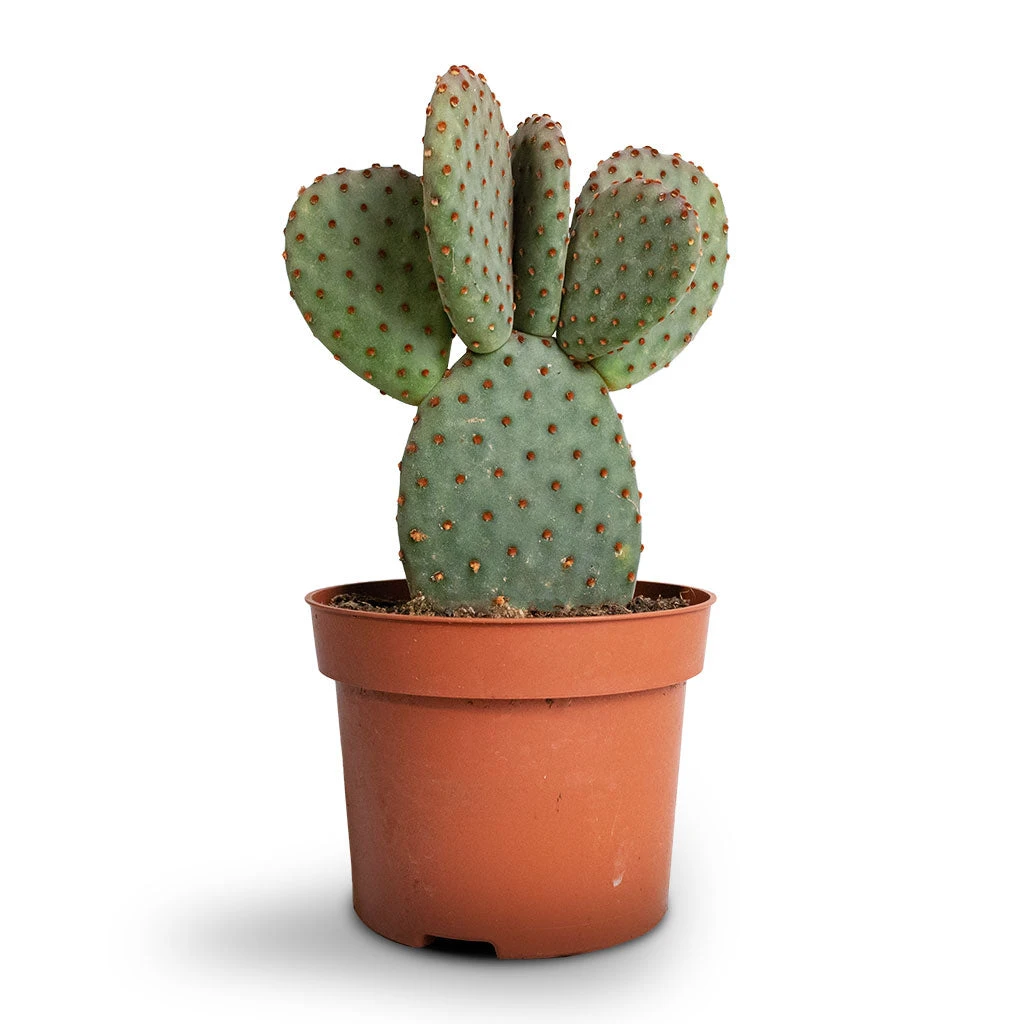
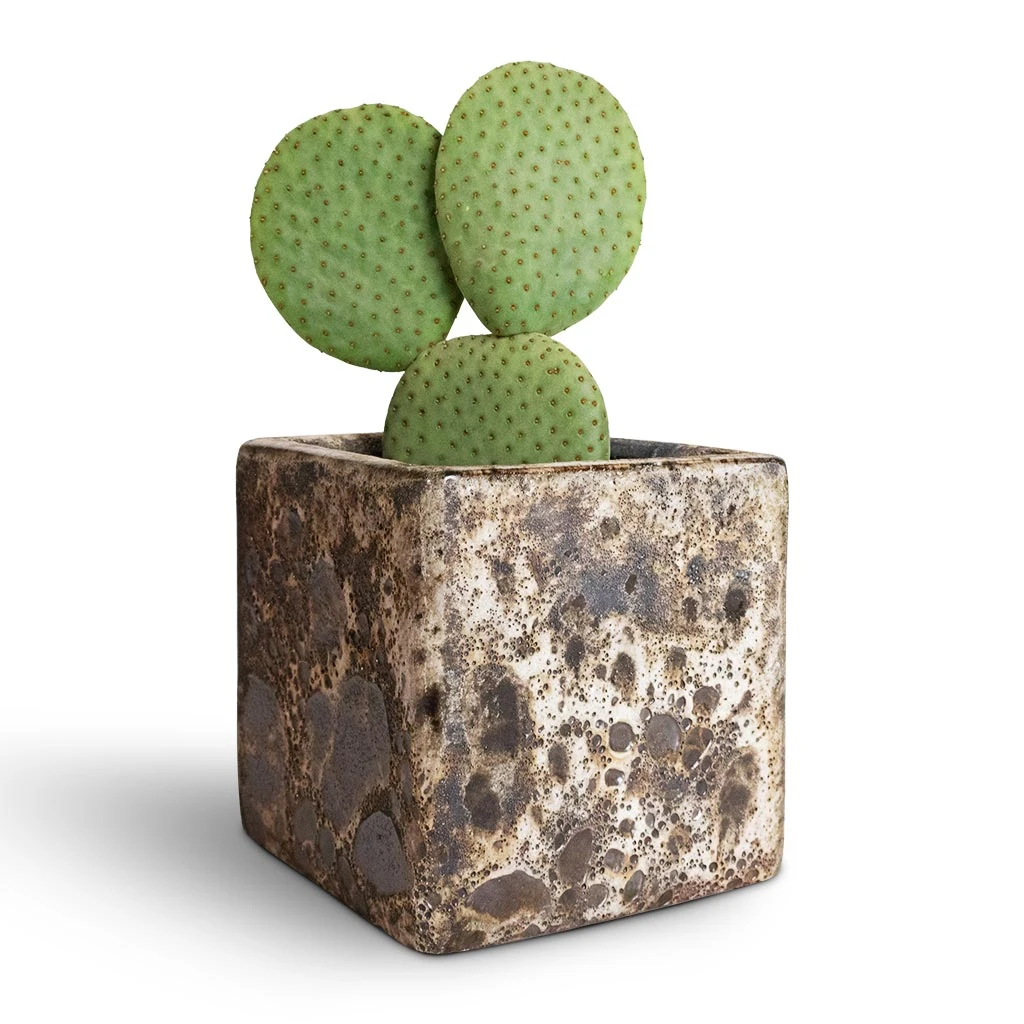
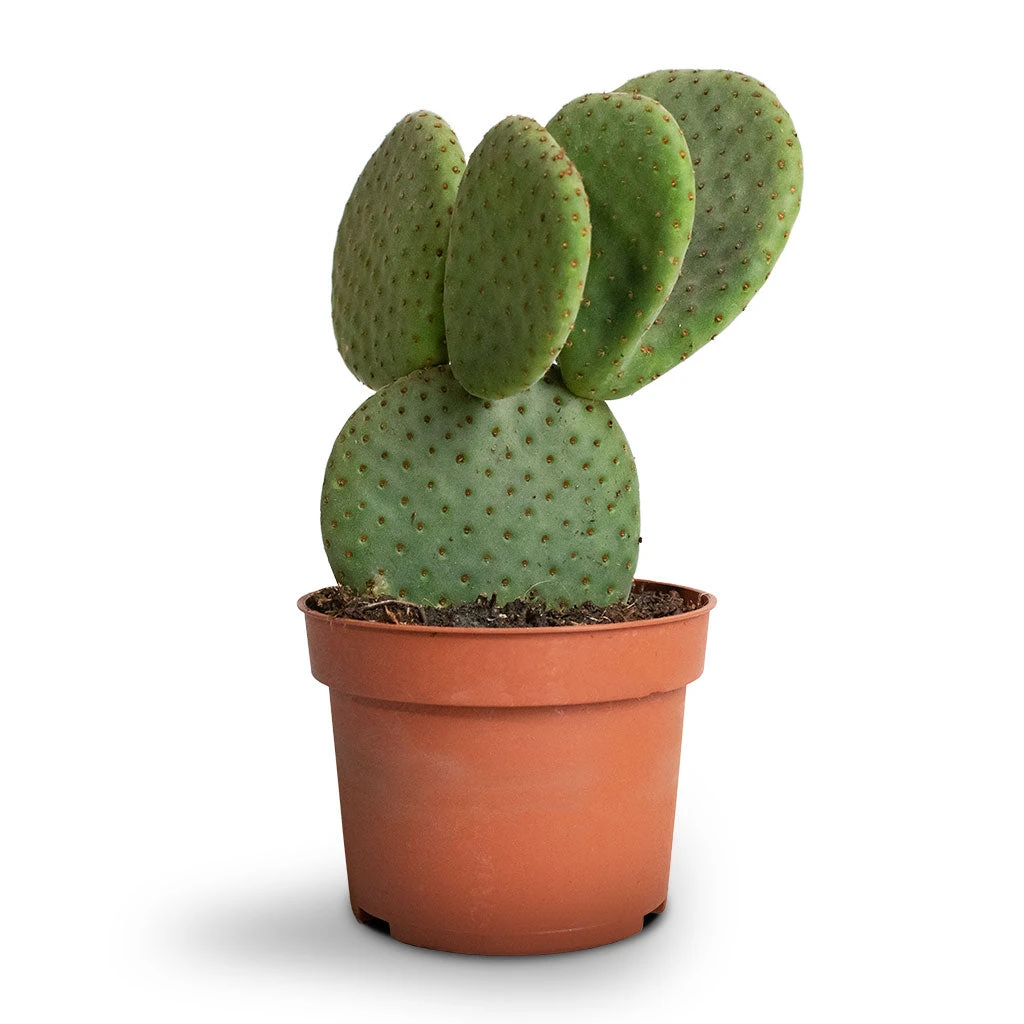
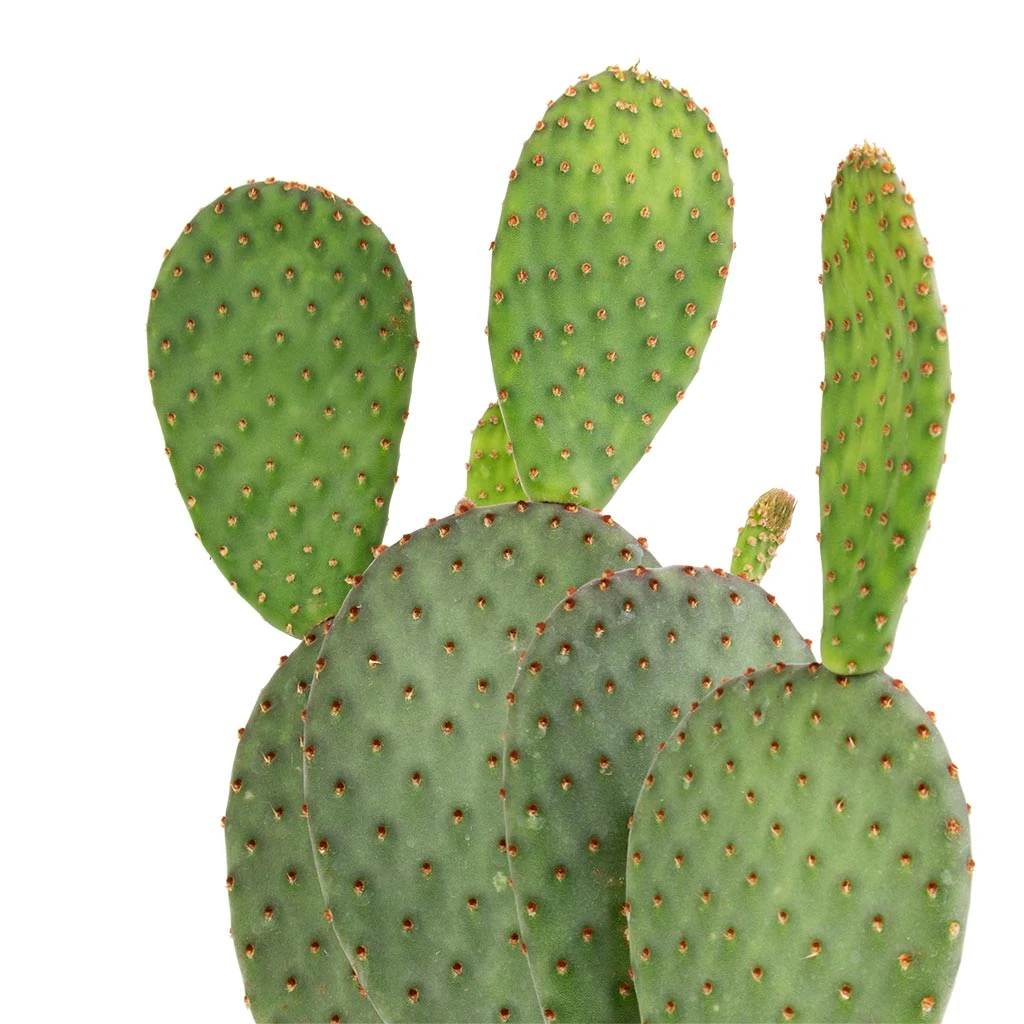
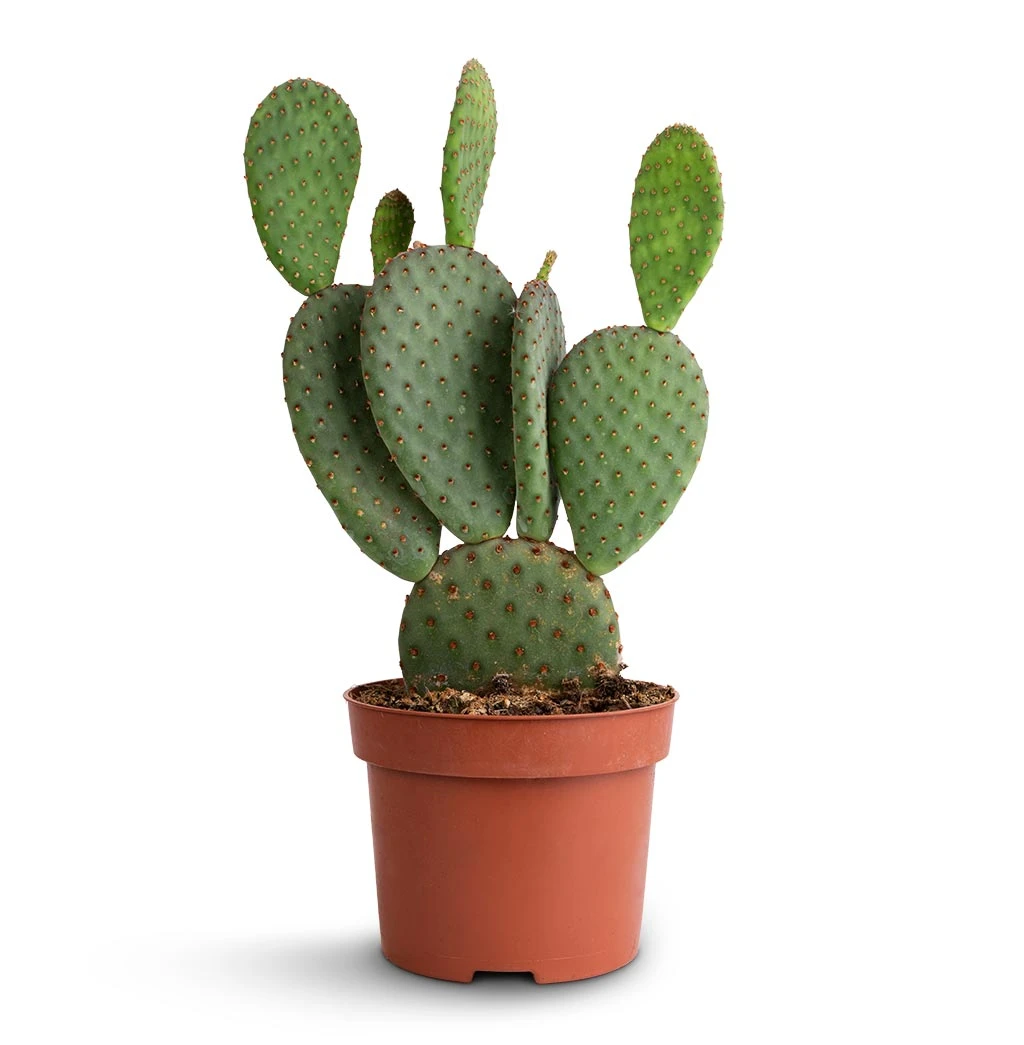
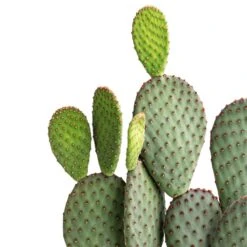
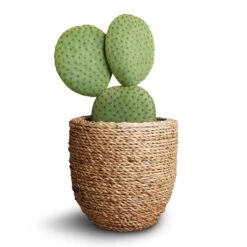
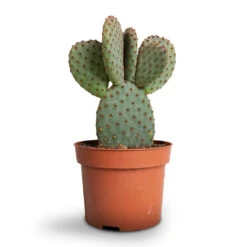
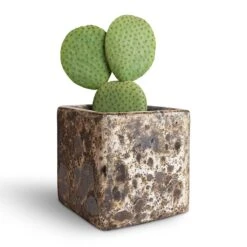
The cutest addition to your plant collection – the Bunny Ear Cactus! With adorably shaped pads resembling baby bunny ears and fuzzy fur-like spines, it’s a true standout in any collection. Native to Northern Mexico and Arizona, Opuntia microdasys requires minimal care and will thrive on any sunny windowsill.
Also known as Angel’s Wings Cactus and Polka Dot Cactus, it’s the perfect plant for those who love a touch of whimsy in their lives. Hop to it and get your Bunny Ear Cactus today!
Opuntia microdasys – Bunny Ear Cactus Care & Info Guide
Horty Hints
Cute but not cuddly! The fuzzy spines are very fine and can embed in the skin if you don’t handle them with care.
Less is more! Allow your cactus’ soil to dry out completely in between watering. Water sparingly to avoid root and stem rot.
Sun-seeker! Give this tough cactus the shining spotlight it craves! Bask it by a beaming window all day – south or southwest-facing will give the winning glow.

Light
The Bunny Ear Cactus prefers bright, direct sunlight. It can tolerate some indirect sunlight, but too much shade will cause it to grow slowly and potentially lose its distinctive shape.

Watering
Opuntia microdasys is a drought-tolerant plant that prefers infrequent watering. Water the cactus when the soil is dry to the touch, usually every 2-3 weeks. Be sure to water the soil directly and avoid getting water on the cactus pads, which can cause them to rot.

Temperature
This cactus will do well in average household temperatures: typically 15-27°C. It can survive in temperatures as low as 10°C, but it is best to avoid exposing it to cold drafts or temperatures below 4°C.

Humidity
Unlike other tropical plants, this cactus will tolerate drier spaces, but may suffer in areas with typically high humidity. Keep out of steamy rooms like the kitchen and bathroom.

Feed
Feed with cactus and succulent fertilizer during the summer months.

Height & Growth Rate
This cactus is known for its slow to moderate growth rate. Bunny Ear Cactus tends to grow in a clumping, bushy form rather than in a tall, single-stemmed form.

Toxicity
Generally considered to be non-toxic but the plant does have small spines on its pads that could cause discomfort and irritation, especially if ingested.

Origin
Bunny Ear Cactus, is native to Central America, specifically Mexico.
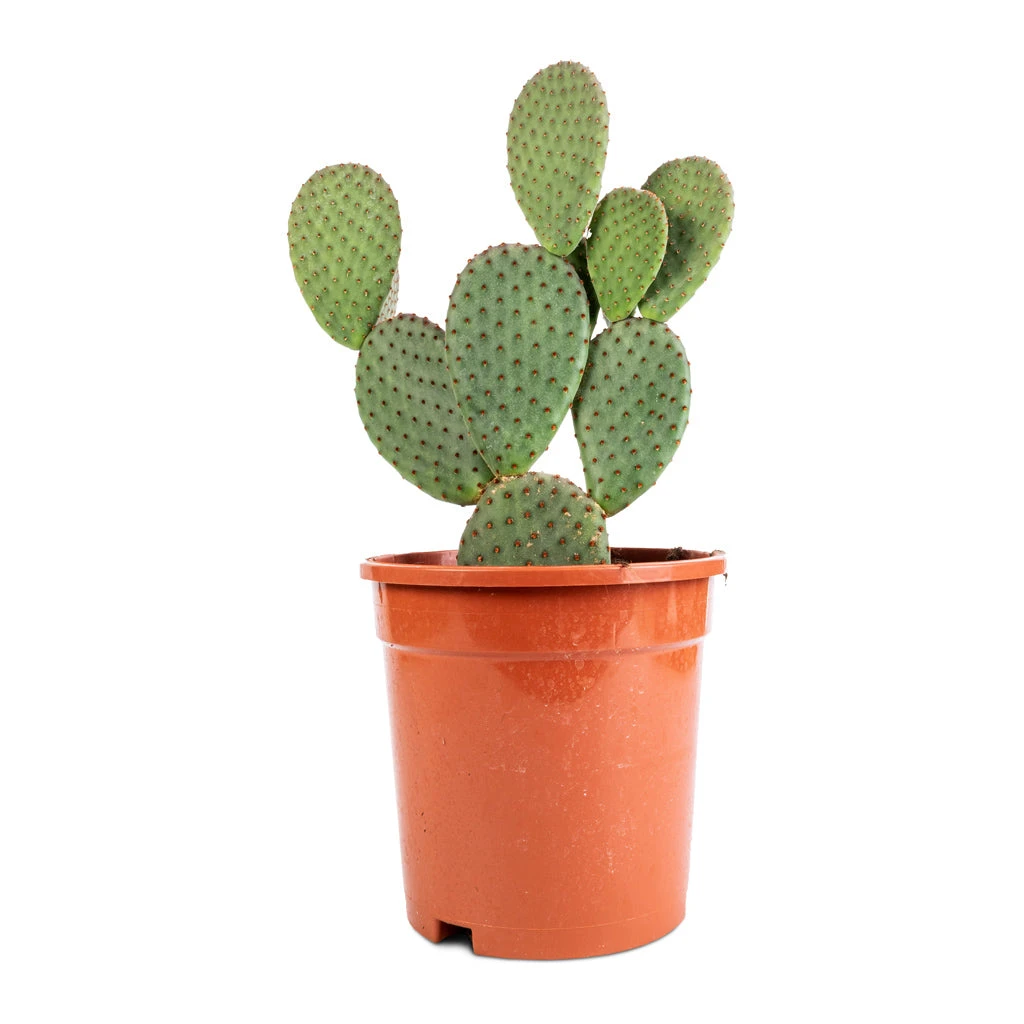
| SIZE: Pot Diameter x Total Height | 10.5 x 15cm, 12 x 30cm, 17 x 35cm |
|---|
Be the first to review “Opuntia Microdasys – Bunny Ear Cactus”
Related products
HOUSEPLANT STYLES
HOUSEPLANT STYLES
HOUSEPLANT STYLES
HOUSEPLANT STYLES


HOUSEPLANT STYLES

HOUSEPLANT STYLES
HOUSEPLANT STYLES

HOUSEPLANT STYLES
Reviews
There are no reviews yet.