







Hoya Wayetii Tricolor – Wax Plant
Original price was: $23.99.$16.79Current price is: $16.79.
- Reliable Payments for Reliable Shopping
- Made of environmentally friendly materials
- Sustainable materials, for a better tomorrow.
- Worry-Free Shopping with Safe Payments

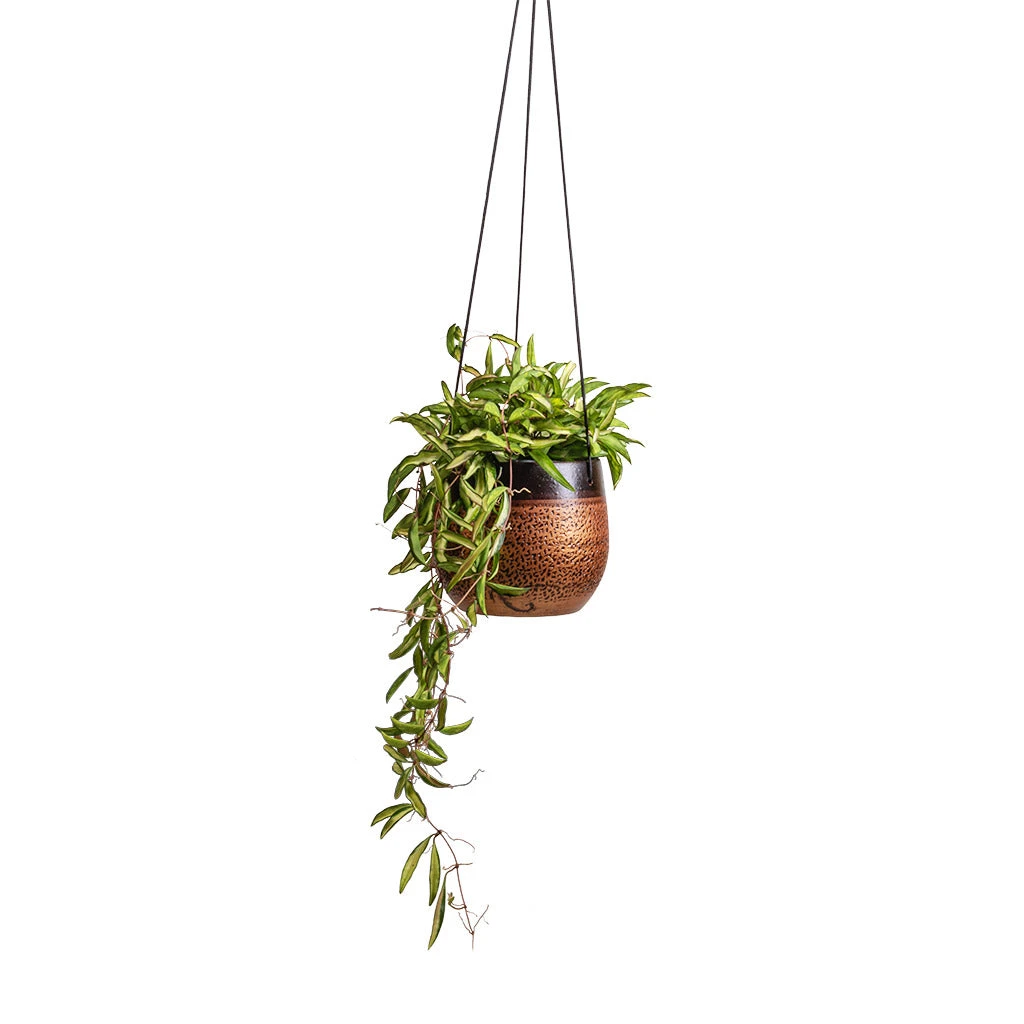
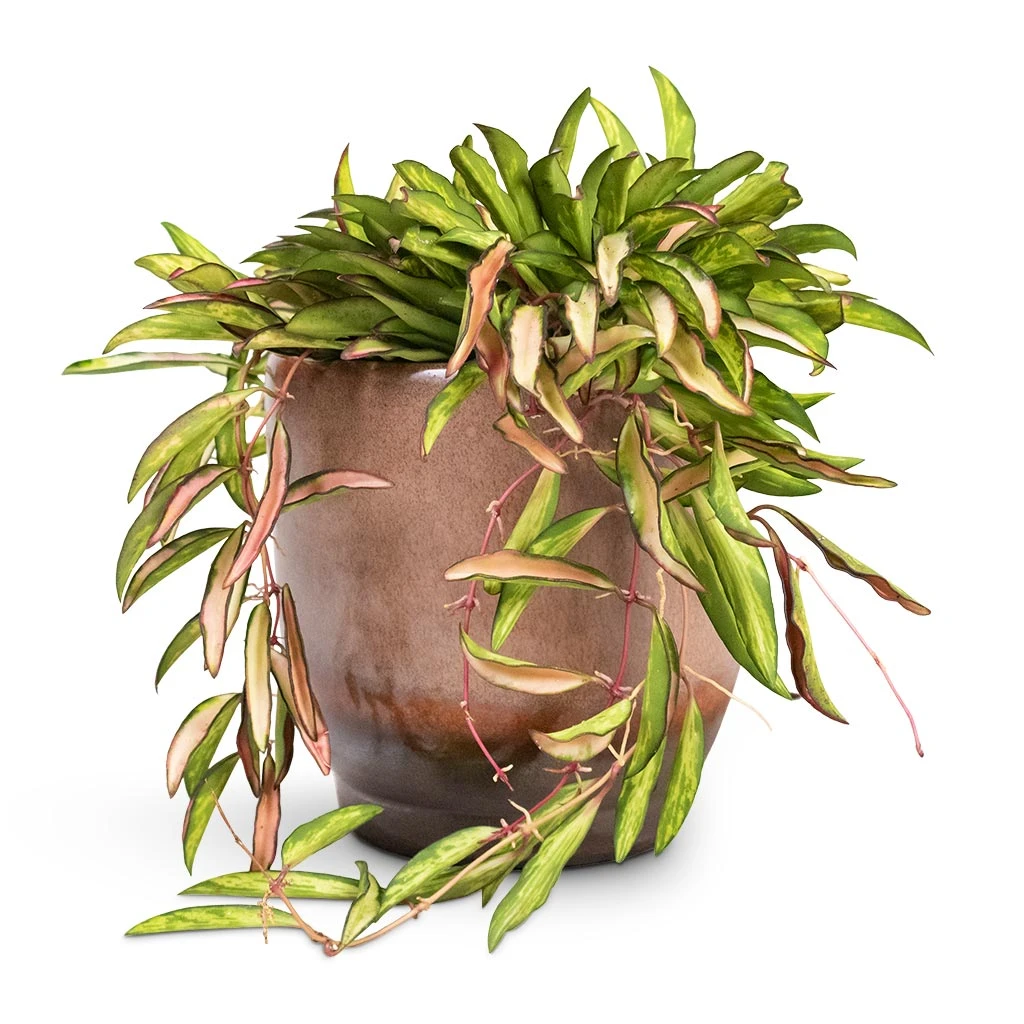
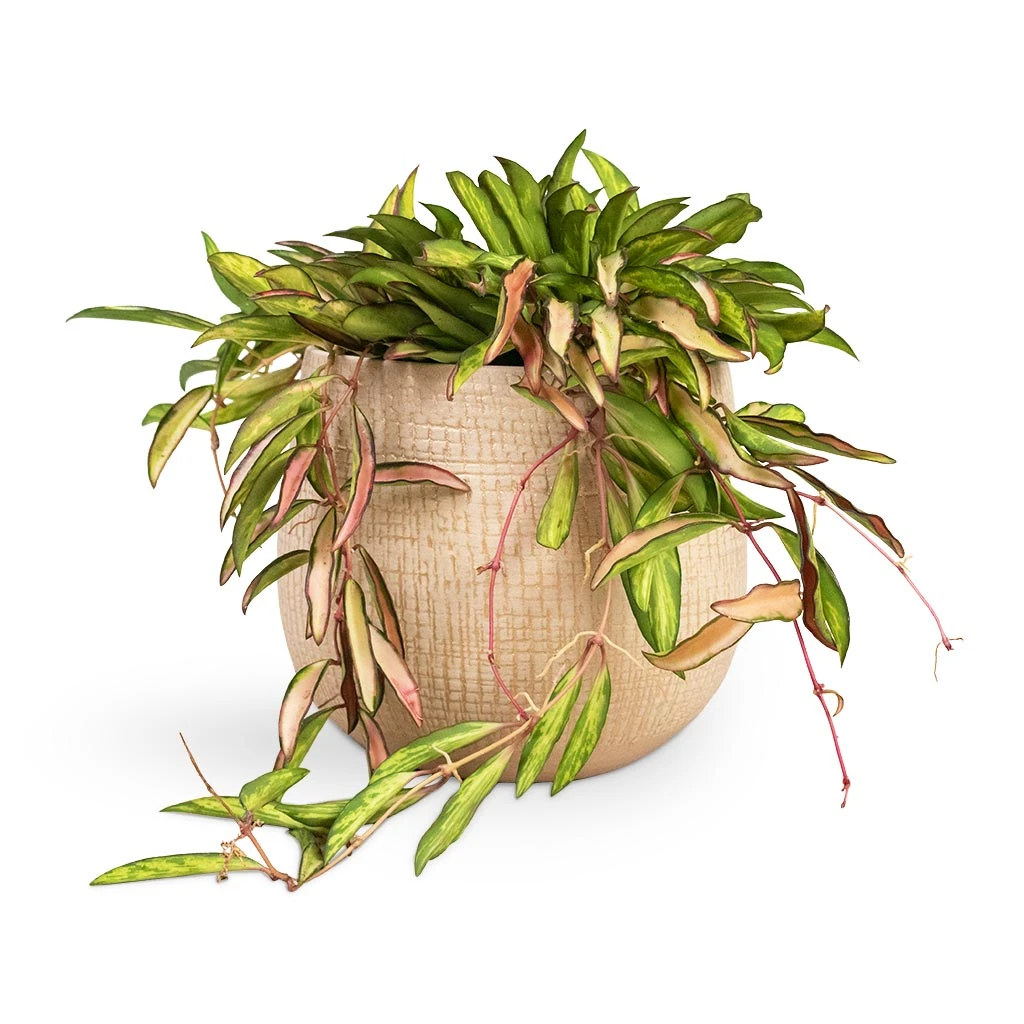
Hoya Wayetii ‘Tricolor’ has long wavy leaves in a dazzling array of colours. Place it in bright light and see shades of green, cream, yellow, pink and red emerge from its glossy lance-like leaves. In darker spaces, the leaves will be greener but still offer attractive tumbling vine-like strands of waxy leaves.
In ideal (bright indirect light and temperature stable) conditions, Wayetii can also flower with delicate but showy sweet-smelling purple blooms. They are relatively easy to care for and have air-purifying qualities.
Hoya wayetii Tricolor – Wax Plant Care & Info Guide
Horty Hints
Growing, Growing, Gone! These fast-growing vines can get up to 10m high in the right environment. Give your plant plenty to climb up, or alternatively, grow it back down the way.
Hoya flowers may produce drops of sticky nectar, this is completely normal but remember to protect your furniture.
Feeling the Burn! While this plant needs some sun in order to bloom, it’s important not to overdo it. Bleached or browning leaves might suggest a change of location.

Light
Needs bright, indirect light but will benefit from some early morning or late afternoon sun. Avoid harsh midday sun. Can cope in light shade but is unlikely to bloom. Likes artificial lights so is ideal for office environments.

Watering
Hoya are succulents and store water. Allow the top half of the soil to dry out between watering, then water deeply and allow to drain thoroughly. Do not overwater. Water sparingly in winter and more liberally in the summer.

Temperature
Hoya wayetii Tricolor is happy in room temperatures from 18-24°C. Avoid draughts and extreme temperatures as these can harm the plant. Prefers to be kept warm, i.e above 16°C.

Humidity
This Wax Plant prefers higher levels of humidity. Mist regularly for best results or relocate to a steamier room such as the bathroom or kitchen.

Feed
Apply a weak general-purpose fertiliser during the summer months.

Height & Growth Rate
The carnosa Tricolor is a fast-growing climber which often trails for up to 3 metres. Prune trails in spring to maintain the desired length.

Toxicity
Its sap contains latex which is a skin irritant and is considered toxic, therefore keep away from children and animals.

Origin
Hoya carnosa is native to Eastern Asia and Australia.
| SIZE: Pot Diameter x Total Height | 14 x 30cm, 19 x 40cm |
|---|
Be the first to review “Hoya Wayetii Tricolor – Wax Plant”
Related products
HOUSEPLANT STYLES
HOUSEPLANT STYLES
HOUSEPLANT STYLES
HOUSEPLANT STYLES
HOUSEPLANT STYLES
HOUSEPLANT STYLES
HOUSEPLANT STYLES

HOUSEPLANT STYLES
Reviews
There are no reviews yet.