







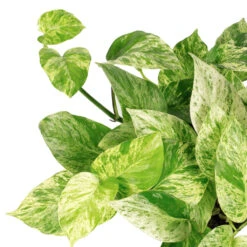
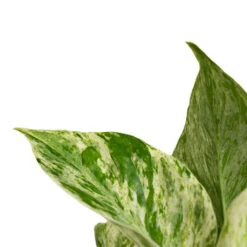
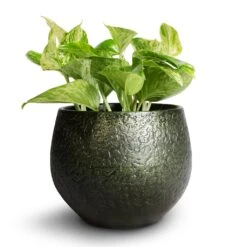
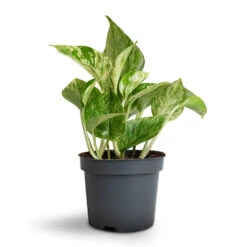

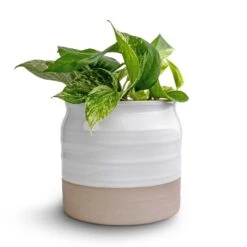

Epipremnum Aureum – Marble Queen Pothos
Original price was: $15.99.$11.19Current price is: $11.19.
- Reliable Payments for Reliable Shopping
- Made of environmentally friendly materials
- Sustainable materials, for a better tomorrow.
- Worry-Free Shopping with Safe Payments

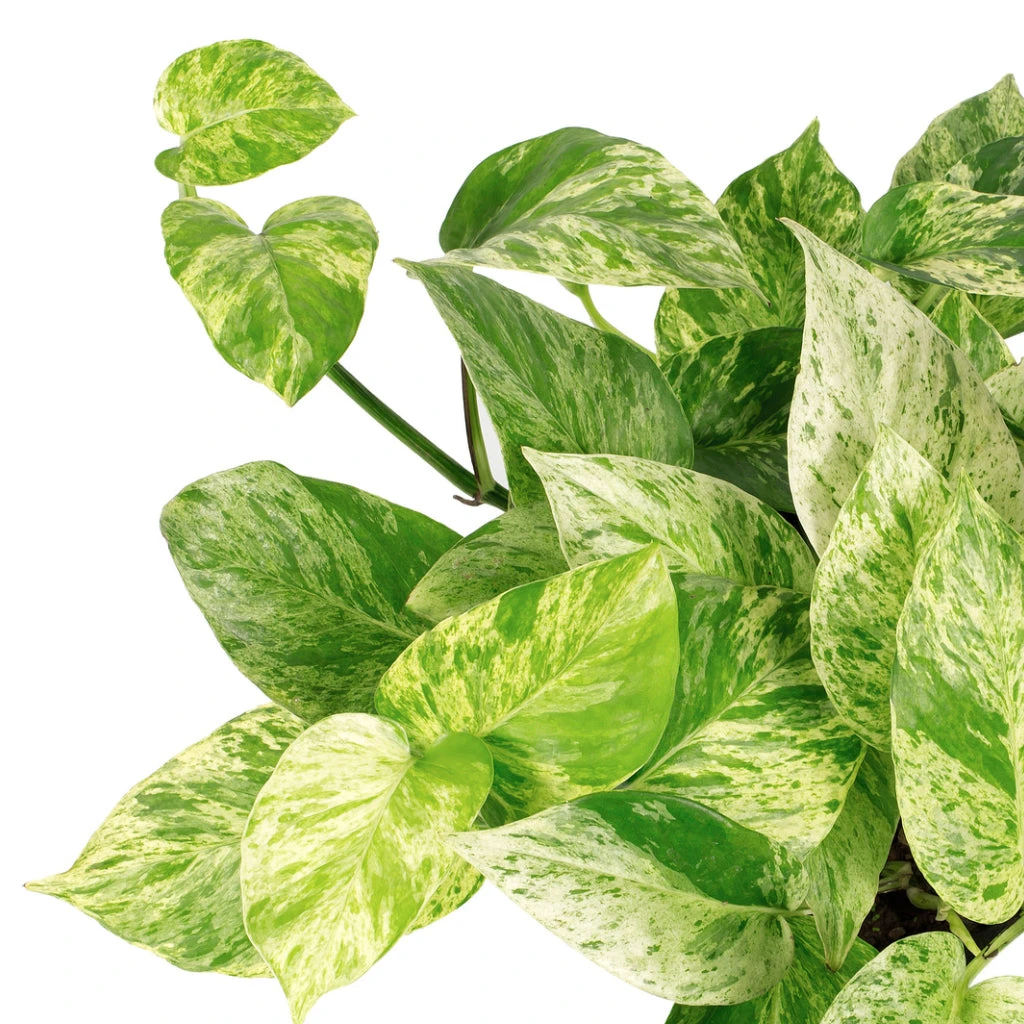
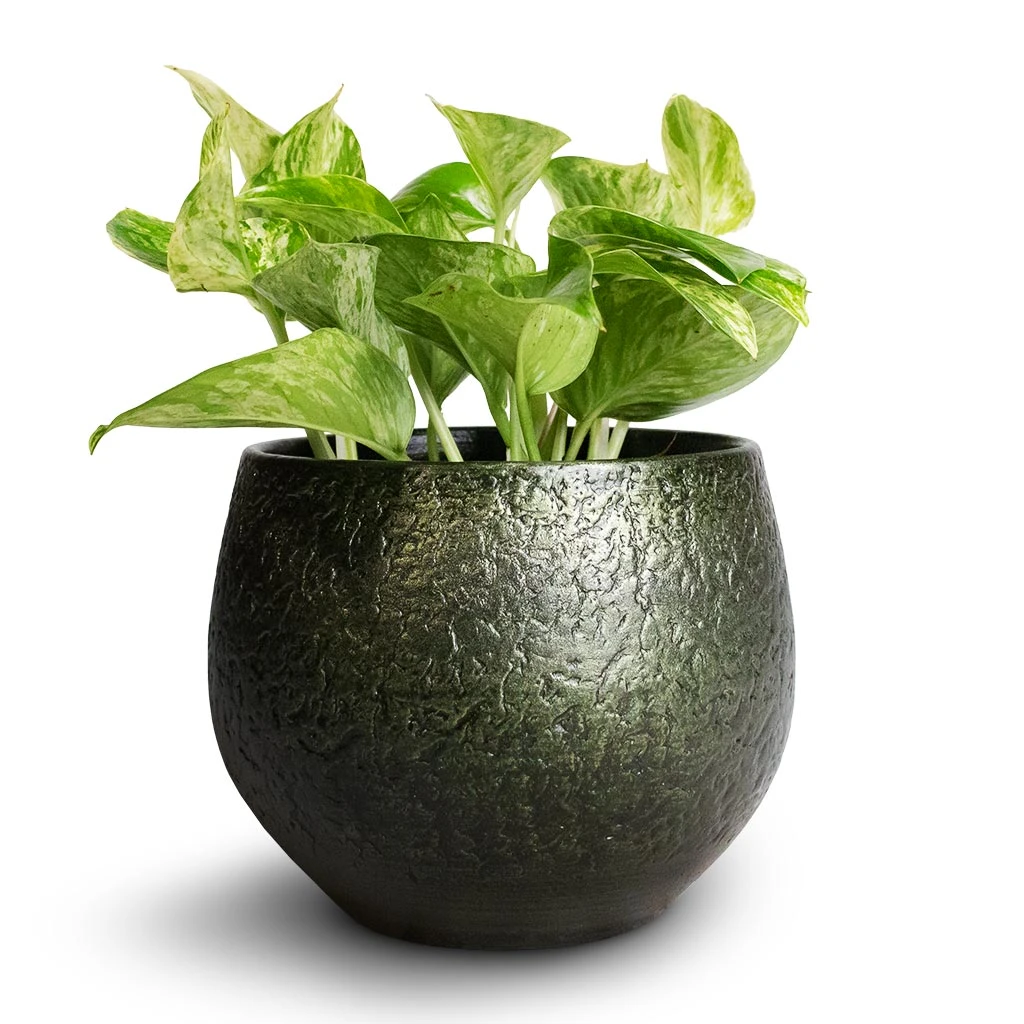
Behold the grandeur of the Marble Queen, an Epipremnum aureum adorned with striking green and white marbled leaves that exude elegance and charm.
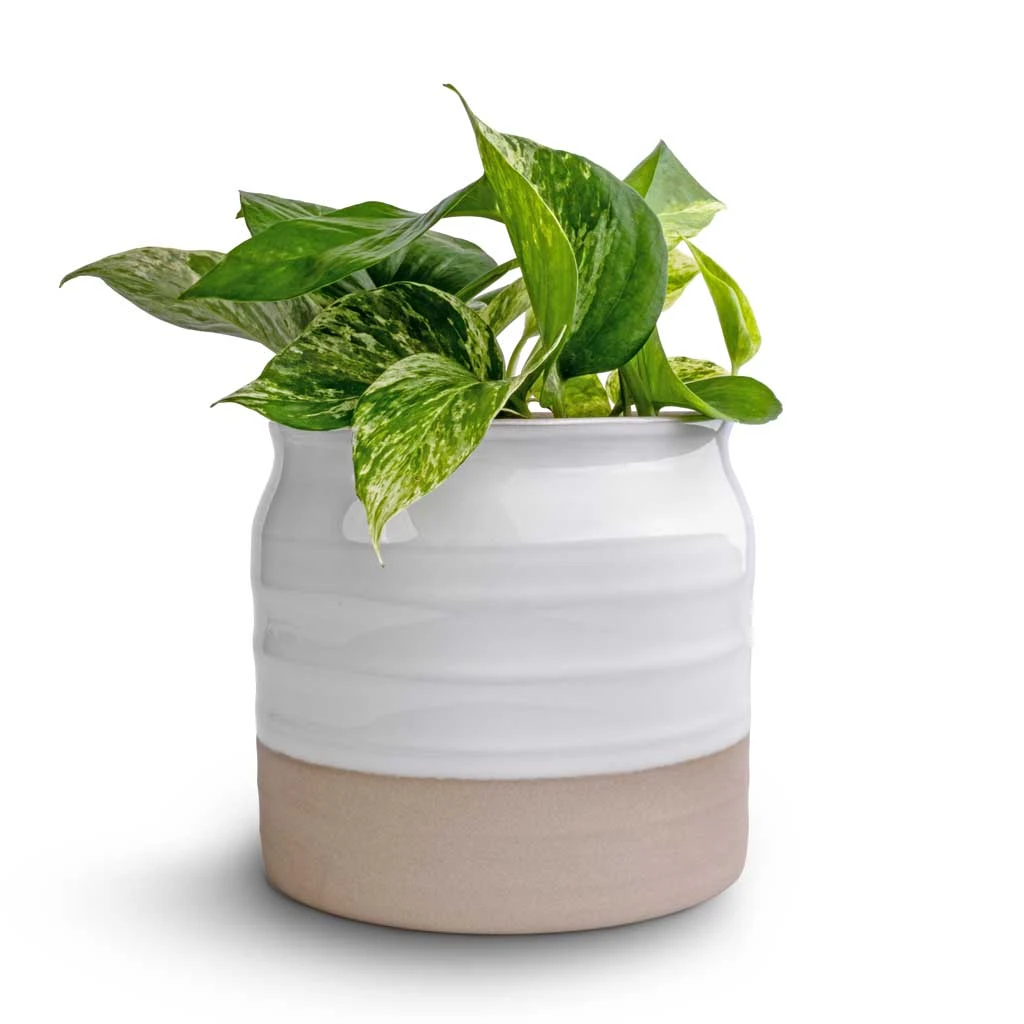
Don’t be deceived by its regal appearance though, this plant is no diva! The Marble Queen can handle some neglect and low light levels – without losing its variegation. Plus, it has the added benefit of purifying the air, making you feel like royalty in your own home. Get ready to elevate any room with this low-maintenance, high-style hanging indoor plant.
Epipremnum aureum – Marble Queen Pothos Care & Info Guide
Horty Hints
Chop and Pot! Pothos plants are one of the easiest plants to propagate. If you cut back your plant, keep the cuttings in water and soon they will grow new roots, which can then be planted.
Will Wane When Wet! These plants don’t like too much water. If you notice leaves yellowing, tipping or leaf spotting, make sure the soil is dry to the touch before watering again.
Iron out the Kinks! This plant’s leaves will curl when it is thirsty. A little water will go a long way, however if you are watering and the plant still curls, it could be a root rot issue.

Light
Epipremnum aureum prefers medium indirect light conditions. Avoid exposure to direct sunlight as this can burn the leaves.

Watering
This plant is drought tolerant but for best results, water your Pothos when the soil becomes slightly dry. Be aware: too much water will kill the plant.

Temperature
Marble Queen Pothos is happy in normal room temperatures: from 10-24°C. Avoid lower temperatures and cold draughts.

Humidity
This Epipremnum prefers increased levels of humidity but will tolerate normal conditions. Consider misting to give your plant an extra boost.

Feed
Apply a weak general purpose fertiliser during the summer months.

Height & Growth Rate
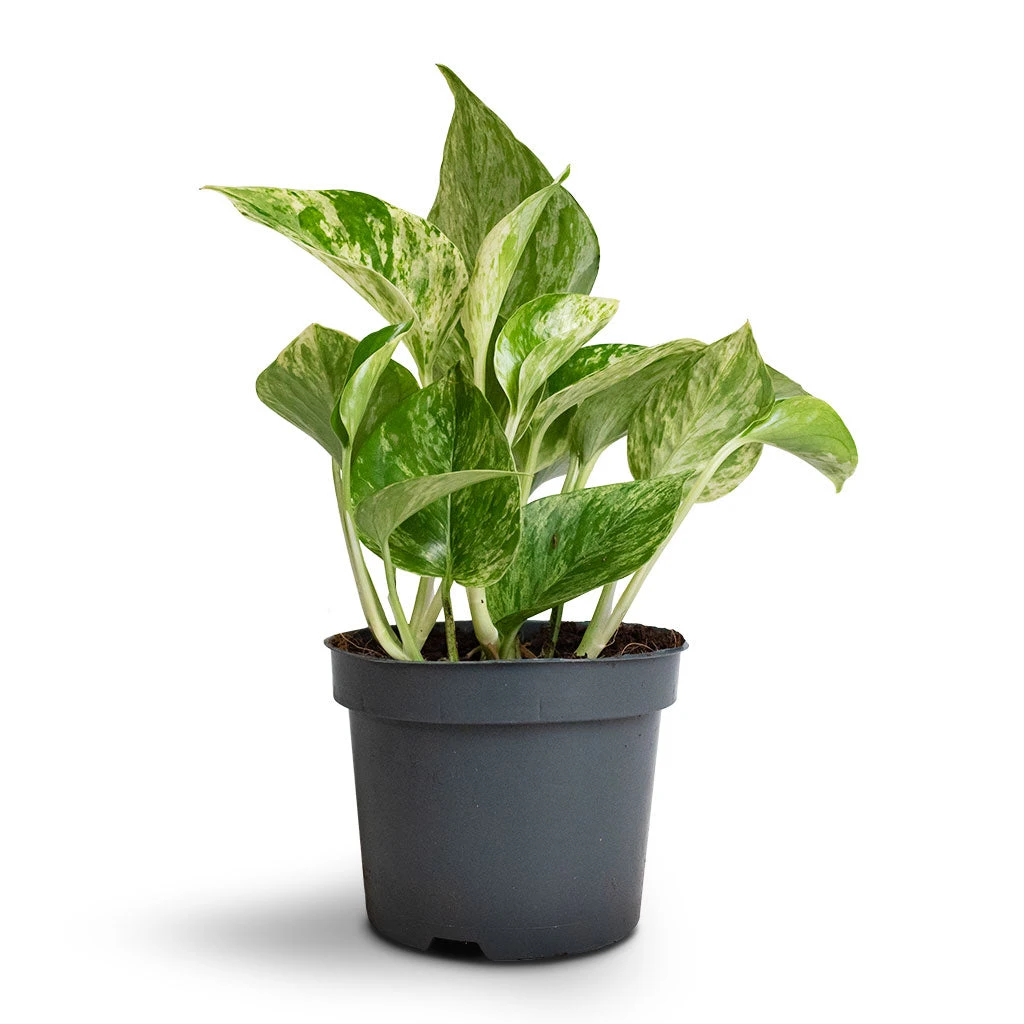
Fast-growing and can trail up to 20 metres! Cut back to maintain desired length. Please note smaller plants such as those in 12cm grow pots are young cuttings and not fully established plants.

Toxicity
Pothos are mildly toxic to humans and harmful to pets. Keep away from children and animals.

Origin
Epipremnum aureum are native to French Polynesia and the Solomon Islands.
| SIZE: Pot Diameter x Total Height | 12 x 20cm |
|---|
Be the first to review “Epipremnum Aureum – Marble Queen Pothos”
Related products
HOUSEPLANT STYLES
HOUSEPLANT STYLES

HOUSEPLANT STYLES
Schefflera Arboricola Gold Capella – Dwarf Umbrella Tree – Twisted Stem

HOUSEPLANT STYLES
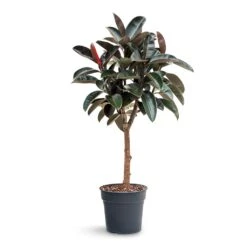
Ficus Elastica Abidjan – Burgundy Rubber Plant – Straight Stem
HOUSEPLANT STYLES

HOUSEPLANT STYLES

HOUSEPLANT STYLES
HOUSEPLANT STYLES
Reviews
There are no reviews yet.